Prime Highlights:
- Pune Metro is generating extra income through branding, advertising, leasing, and property development, aiming to stay financially sustainable without raising fares.
- Big brands like Bajaj General Insurance, Bajaj Finserv, and Ruby Hall Clinic are partnering with Pune Metro for station branding and special initiatives.
Key Facts:
- Non-fare revenue reached ₹19.80 crore in 2024-25 and ₹21 crore in 2025-26, showing steady growth.
- Pune Metro currently serves 2–2.5 lakh passengers daily, with fares ranging from ₹10 to ₹35.
Background:
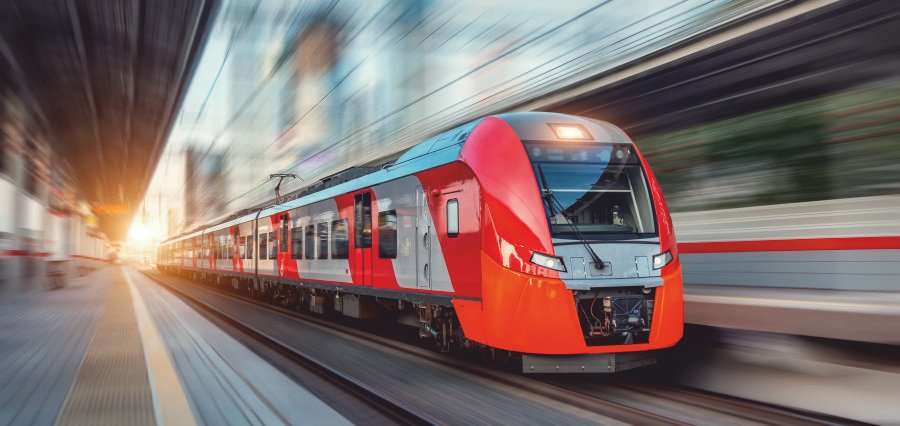
Pune Metro is working to stay affordable for passengers and financially strong by earning money from sources other than fares. Run by Maharashtra Metro Rail Corporation Limited (Maha-Metro), the metro is generating income through station branding, advertising, leasing shops, property development, and telecom services.
Chandrashekhar Tambavekar, additional general manager (admin, public relations) at Maha-Metro, said, “Our priority is to provide safe, eco-friendly, and affordable transport while ensuring the metro’s financial stability. Expanding non-fare revenue allows us to grow without placing extra burden on passengers or public funds.” He added that Pune Metro aims to generate nearly 40% of its total revenue from these initiatives, reducing reliance on fares and government support.
Under the co-branding model, 11 metro stations, including Nal Stop, Garware College, Phugewadi, Pune Railway Station, Ruby Hall Clinic, and Kalyaninagar, have been leased to corporate partners. Big brands like Bajaj General Insurance, Bajaj Finserv, Ruby Hall Clinic, Manikchand Group, Sahyadri Hospitals, Jumbo King, Nourishing Farms, Chitale, and Sandvik Coromant have teamed up with Pune Metro. Recently, Bajaj General Insurance showed its new logo at Yerawada metro station with a fully branded three-car train for a special employee event.
Apart from branding, Maha-Metro has leased shops, kiosks, and vending spaces at stations and introduced vending machines and short-term kiosks to increase convenience and revenue. The metro authority is also building properties near stations and depots under the Transit-Oriented Development (TOD) plan. These efforts are paying off, with non-fare income rising to ₹19.80 crore in 2024-25 and ₹21 crore in 2025-26.
Pune Metro currently runs all of Line 2 (Vanaz to Ramwadi) and part of Line 1 (PCMC to Swargate), serving 2–2.5 lakh passengers every day. Fares are affordable, ranging from ₹10 to ₹35.
By keeping fares low and focusing on extra revenue sources, Pune Metro is becoming a model for sustainable metro services in India, showing how city transit can grow in smart ways.